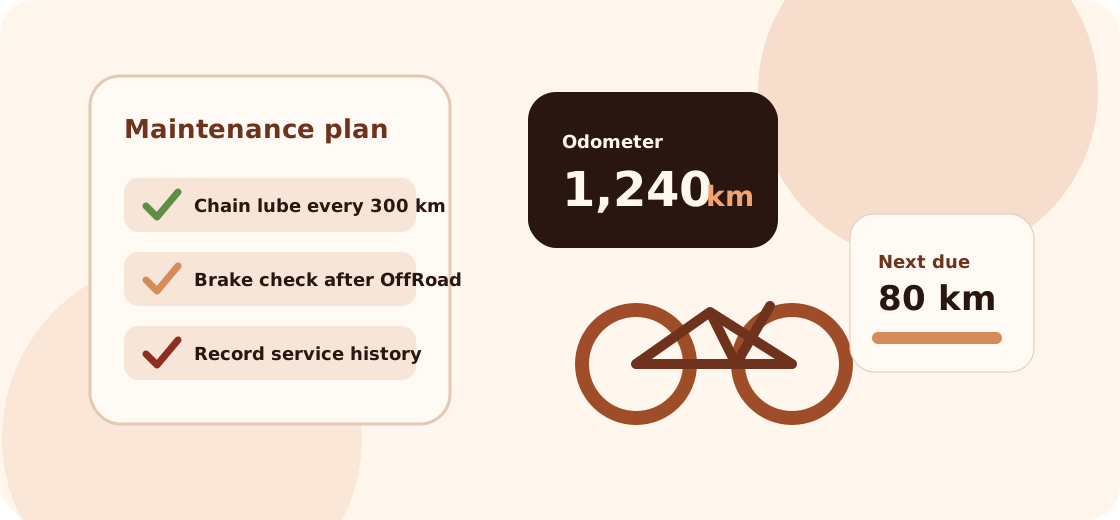
Cycling guide
Real vs virtual Strava kilometers: how to plan bike maintenance
Learn why indoor, road, and off-road Strava distance should not be treated the same when planning bike maintenance intervals.
Updated: 2026-05-08
Strava distance is useful, but raw total kilometers are not always enough for maintenance decisions. A smart maintenance plan needs to distinguish the type of ride behind each kilometer.
Key takeaways
- Do not use one mixed kilometer total for every maintenance decision.
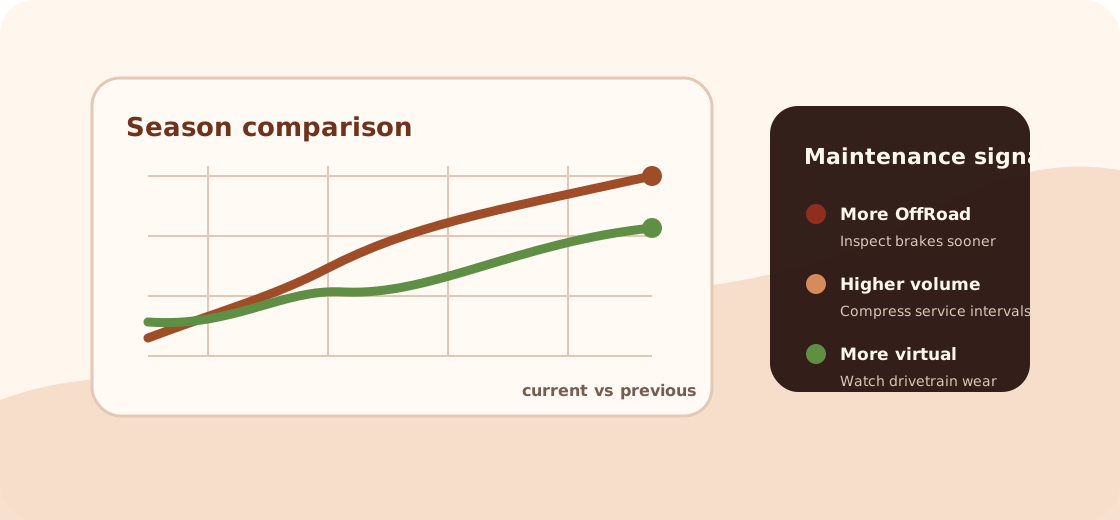
- Virtual, road, and off-road rides create different wear patterns.
- Use mileage reminders as inspection triggers, not as a replacement for mechanical checks.
Why total distance can mislead maintenance
A bike used mostly indoors does not experience the same tire, brake, and suspension wear as a bike used on rough trails. A single total distance hides those differences and can make service intervals too early for some parts and too late for others.
Virtual kilometers still matter for drivetrain wear, chain lubrication, and general usage history. Road and off-road kilometers add different mechanical loads, dirt exposure, vibration, and braking patterns.
A practical split for cyclists
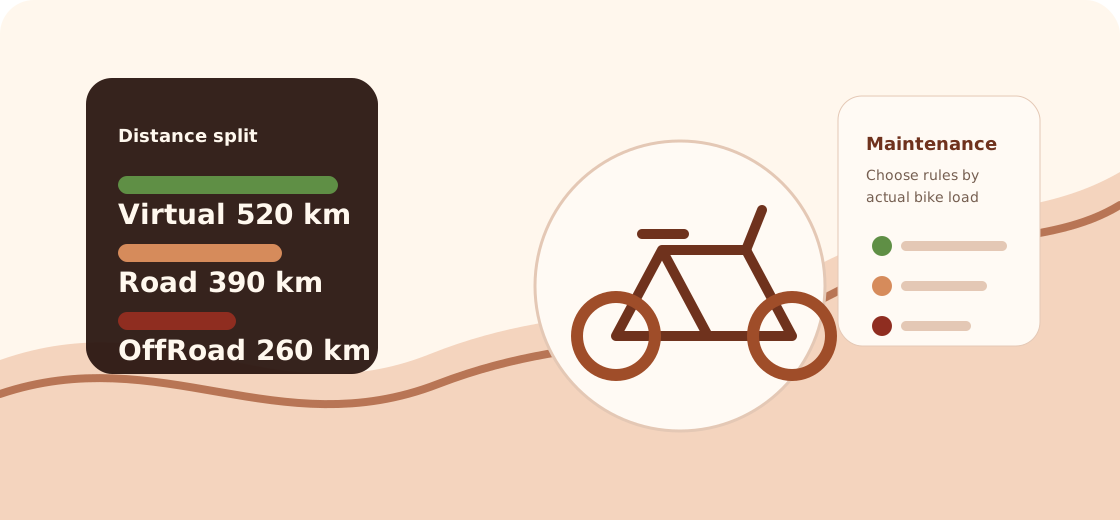
Ride Data Hub separates virtual, Road, and OffRoad distance so a rider can reason about wear more clearly. The split is not meant to replace mechanical inspection, but it gives a better starting point than a mixed number.
For example, a chain maintenance rule can use total drivetrain kilometers, while tire checks may focus more on real outdoor distance. Brake pad checks may become more relevant after off-road-heavy periods.
How to use the split in a maintenance routine
Review the distance split before creating or changing a recurring maintenance rule. If most of your recent load is virtual, drivetrain checks may be more important than tire checks. If OffRoad distance increased, inspect cleaning, brake pads, bearings, and suspension more often.
The safest approach is to combine mileage-based reminders with manual checks. Mileage tells you when to look; inspection tells you what actually needs work.
Common mistakes to avoid
Do not copy a generic service interval without adapting it to terrain and riding style. A gravel bike, a road bike, and an indoor trainer setup should not share exactly the same maintenance assumptions.
Also avoid waiting until a component fails. Preventive maintenance is cheaper and safer when it is triggered by reliable usage signals.
Distance types and maintenance impact
| Ride type | Main wear signal | Maintenance implication |
|---|---|---|
| Virtual | Drivetrain load without outdoor tire or brake wear | Prioritize chain cleaning, lubrication, and drivetrain inspection. |
| Road | Steady outdoor distance and braking | Track tires, brake pads, chain wear, and seasonal service intervals. |
| OffRoad | Dust, mud, vibration, impacts, and harder braking | Inspect brakes, bearings, suspension, tires, and drivetrain more often. |
Turn mixed Strava distance into usable maintenance signals
Ride Data Hub separates virtual, road, and off-road kilometers by bike so your maintenance rules start from the right usage context.
Frequently asked questions
Do virtual kilometers count for bike maintenance?
Yes. They usually matter for drivetrain wear, chain lubrication, and general usage history, even when they do not wear tires and brakes like outdoor rides.
Should road and off-road distance use the same service interval?
Not always. Off-road riding usually adds dirt, vibration, and braking load, so some checks should happen earlier than on a clean road bike.
Can Strava distance replace manual inspection?
No. Distance is a useful trigger for when to inspect, but the final maintenance decision should include what you see and feel on the bike.