Cycling guide
Bike maintenance by mileage: a practical checklist for Strava users
A practical guide to setting mileage-based bike maintenance reminders using your Strava riding history.
Updated: 2026-05-08
Mileage-based maintenance works best when reminders are simple, specific, and tied to the way each bike is actually used. Strava history can provide the usage signal, but the plan should remain practical.
Key takeaways
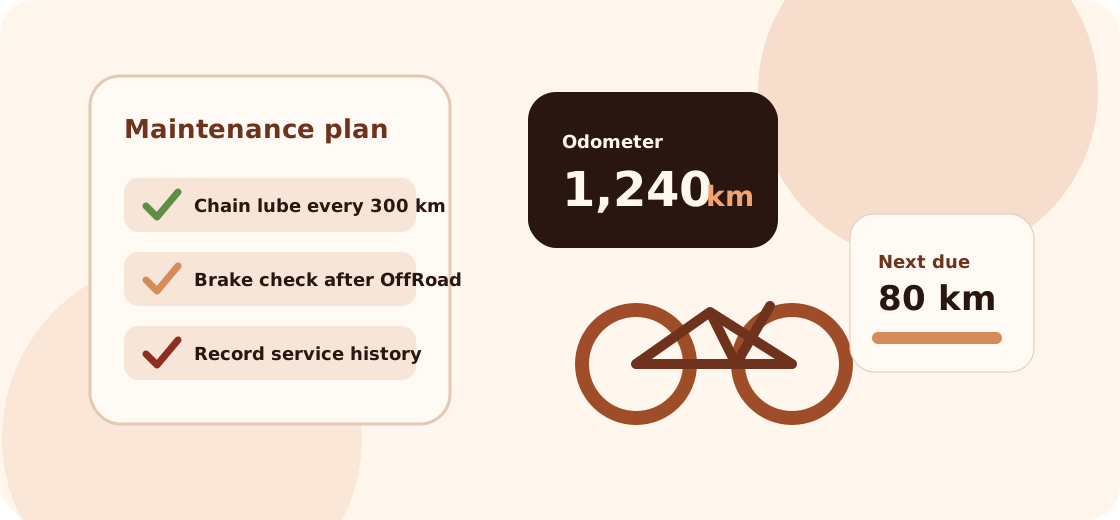
- Start with a small set of predictable tasks before building a complex checklist.
- Attach every reminder to the specific bike that generated the mileage.
- Record completed work so future intervals are based on real service history.
Start with the components that wear predictably
Chain cleaning, chain lubrication, drivetrain inspection, brake pad checks, and tire checks are good candidates for mileage-based reminders. They usually benefit from regular inspection before symptoms appear.
Avoid making the first plan too complex. A small set of reliable reminders is easier to maintain than a long checklist that nobody reviews.
Use different rules for different bikes
A road bike ridden in dry conditions can often use longer intervals than a gravel or mountain bike exposed to mud and dust. The same rider may need several maintenance profiles depending on the bike and terrain.
Attach maintenance plans to a specific gear item instead of treating all rides as one pool. This keeps the service history meaningful when multiple bikes share the same Strava account.
Combine distance and time
Some tasks are distance-driven, while others are time-driven. Chain checks may follow mileage; sealant, suspension checks, or seasonal inspections may need calendar reminders even if mileage is low.
A balanced maintenance setup includes both types. This prevents low-usage bikes from being ignored for too long.
Record what was done
A reminder is only half the system. Recording date, notes, and mileage snapshot builds a service history that helps you make better decisions later.
When something fails early, the history helps reveal whether the interval was too long, the conditions changed, or the component was already worn.
Practical mileage-based maintenance checklist
| Task | Suggested trigger | Why it matters |
|---|---|---|
| Chain clean and lube | Regular distance or wet/off-road blocks | Reduces drivetrain wear and keeps shifting consistent. |
| Brake pad inspection | After high real or off-road distance | Catches wear before braking performance drops. |
| Tire and sealant check | Distance plus calendar reminders | Prevents avoidable punctures and pressure issues. |
| Drivetrain inspection | After repeated chain service intervals | Helps spot cassette, chainring, and pulley wear early. |
Create reminders that follow each bike, not just your account total
Ride Data Hub lets you create programmed and one-off maintenance records attached to the bike that actually accumulated the distance.
Frequently asked questions
What is a good first mileage reminder?
Chain cleaning or lubrication is usually a good starting point because it is simple, repeatable, and tied to drivetrain use.
Should every task be mileage-based?
No. Sealant, suspension checks, and seasonal inspections may need time-based reminders even when a bike has low mileage.
Why record completed maintenance?
A record of dates, notes, and mileage snapshots makes it easier to adjust intervals and understand early component wear.